Alcohol, drugs and medical conditions

The legal alcohol limit in Denmark is 0.50 per mille blood alcohol — and 0.25 mg per litre of breath. For new drivers the limit is 0.20 per mille for the first 3 years. For illegal impairing substances there is zero tolerance.

Safety first

It is strictly prohibited to drive under the influence of alcohol, drugs or other impairing substances.

Drink-driving

§ 53 — It is an offence to drive a motor vehicle while under the influence of alcohol

What is the legal alcohol limit in Denmark?

It is an offence to drive or attempt to drive a motor vehicle if you have consumed alcohol to an extent that results in:

LimitMaximum
Blood alcohol0.50 per mille
New drivers (category B, first 3 years)0.20 per mille
Breath alcohol0.25 mg per litre
Illegal impairing substancesZero tolerance

Safe driving

Subsection 2: It is also an offence to drive or attempt to drive a motor vehicle if you have consumed alcohol to an extent that makes it impossible to drive safely.

Even below the statutory limits, driving may be an offence if the alcohol impairs your ability to drive.

New drivers: 0.20 per mille

Since 1 July 2025 — 0.20 per mille for the first 3 years after your first category B car licence

The limit applies to every new driver regardless of age — and regardless of whether the licence was issued before or after 1 July 2025. In practice 0.20 per mille means you cannot drink alcohol and drive.

If you exceed the limit

The penalty is the same as for driving above 0.50 per mille: a driving ban, a fine, a mandatory ANT course (alcohol, drugs and traffic) — and a new theory test and driving test before you may drive again.
Driving under the influence of impairing substances, illness, etc.

§ 54 — Comprehensive prohibition on impaired driving

Impairing substances

Subsection 1: It is prohibited to drive or attempt to drive a motor vehicle if, during or after driving, the blood contains impairing substances classified as hazardous to road safety under rules laid down by the Ministry of Transport, Building and Housing, and which have not been taken in accordance with a valid prescription.

Important: The same applies to substances taken in accordance with a valid prescription if the use does not comply with the prescription.

Illness and impairment

Subsection 2: It is also prohibited to drive or attempt to drive a motor vehicle if the driver, owing to the following, is unable to drive the vehicle safely:

  • Illness
  • Impairment
  • Exhaustion
  • Lack of sleep
  • The effects of stimulants or sedatives
  • Similar causes

Bicycles and horse-drawn vehicles

Subsection 3: Bicycles, horse-drawn vehicles or horses must not be driven or attempted to be driven by persons who, owing to the causes mentioned in subsection 2 or the influence of alcohol, are unable to control the vehicle or horse safely.

Responsibility for others

Handing over a vehicle

Subsection 4: It is prohibited to hand over control of a vehicle or a horse to a person who, owing to the causes mentioned in subsection 2 or the influence of alcohol, is unable to control the vehicle or horse safely.

Responsibility of licensed venues

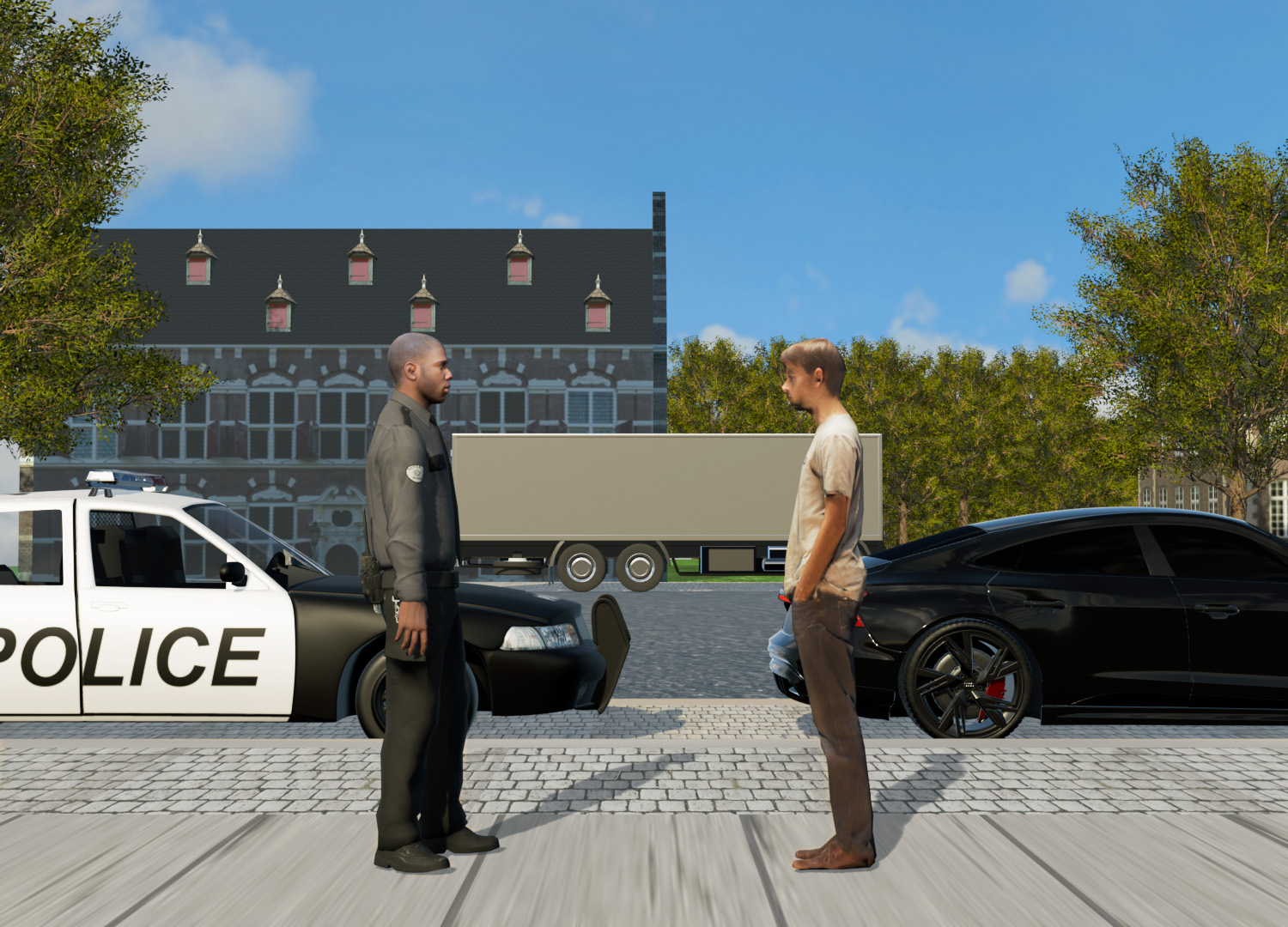
Subsection 5: If a person at a restaurant or other public serving venue has consumed alcohol, and the host or their assistant knows or has reason to believe that the person is the driver of a vehicle or a horse and is unable to control it safely, the host or assistant must try to prevent the person from driving the vehicle or horse, if necessary by calling the police.

Key points to remember

0.50 per milleMaximum alcohol limit in the blood
0.20 per milleNew drivers — the first 3 years
0.25 mg/lMaximum alcohol limit in the breath
Zero toleranceFor illegal impairing substances
Remember: Even if you are below the limits, you can still be penalised if your ability to drive is impaired!

Sources: fstyr.dk · sikkertrafik.dkLast verified: August 26, 2026